
"Rwandan pour over"
50000 article(s) found

Introduction to Rwandan Coffee | A brief introduction to the producing areas and flavor and taste of Rwandan coffee
Professional coffee knowledge exchange more coffee bean information please follow the coffee workshop (Wechat official account cafe_style) the front street of Rwanda coffee area introduction Rwanda Rwanda was brought in by German missionaries in 1904, but it was not until 1917 that Rwanda's coffee production was large enough for export. After the first World War, the Trusteeship of the League of Nations (the League of Nations
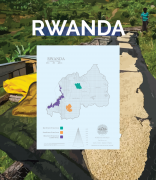
Rwandan coffee beans taste characteristics| History of Rwandan Coffee Varieties and Their Harvesting
Rwanda is not a traditional coffee-producing country. In fact, the local people do not have the habit of drinking coffee. Almost 100% of the coffee produced is exported, and the annual output is more than 18000 tons, which is a huge number. So where did all these coffee beans come from? Rwanda's harvest season is generally from March to August. Due to changes in weather conditions, there is usually a higher yield in April, but there are also July.

Where did the Rwandan coffee come from?
Following Cafe (official Wechat account vdailycom) found out how the coffee from Kenya was brought to Rwanda by German missionaries in 1904, but it was not until 1917 that the coffee production in Rwanda was large enough for export. After the first World War, the Trusteeship of the League of Nations (the League of Nations Mandate) was withdrawn.

What is the difference in flavor between Rwandan coffee and other coffee in Africa? Rwanda coffee bean flavor
For information, follow Coffee Workshop (Wechat official account cafe_style) Rwanda: this small East African country should not be ignored by roasters and coffee lovers. It is known as the hometown of thousands of mountains, and its high-quality, high-altitude coffee coexists with its poverty. It is not the largest coffee producer in Africa; in 2016, it harvested only 220000 bags (60 kg) of coffee, while

Full grain Rwandan coffee flavor Introduction Western Province Lutexiluo region Introduction
Rwandan coffee characteristics: Rwandan coffee taste is described as grassy aroma, with tropical climate characteristics, this coffee presents a sweet fruit, it can also give people a fresh, clear and fresh feeling. Bourbon coffee grown in Rwanda is marvellous for its fruity sweetness, its rich aroma, without any convergence, and its aftertaste

Rwandan coffee begins harvest season
According to media reports, some coffee producing areas in Rwanda ushered in the coffee harvest season half a month earlier than in previous years. Thanks to abundant rainfall at the end of last year, coffee is expected to increase production by 50% this season to 24000 tons. Currently affected by the international financial crisis, international coffee prices have fallen to $4.1 per kilogram. As a result, the purchase price of Rwandan coffee cherries has dropped from 200 loures per kilogram to 170
Description of the flavor of Rwandan coffee beans-is Rwandan coffee good? what are the characteristics of Rwandan coffee?
For more information on coffee beans, please follow the Coffee Workshop (Wechat official account cafe_style) Rwanda is a landlocked country located in the southern equator of central Africa, bordered by Tanzania to the east, Burundi to the south, the Democratic Republic of the Congo to the west and Uganda to the north. The territory is mountainous, known as the country of a thousand hills. The divide between the Congo River and the Nile River runs through Lu from north to south.

Introduction to the flavor and taste of Rwandan coffee the characteristics of Rwandan coffee beans
Most of the coffee in Rwanda is washed. The water washing method will first wash and flotation the ripe coffee fruit, then remove the exocarp, pulp and part of the pectin layer, then send the coffee into the fermentation tank, remove the remaining pectin layer and then send it to the drying ground for drying treatment, so that the water content reaches about 13%. The coffee in the picture above is placed in an African shed to dry.

There are several varieties of Rwandan coffee. Introduction to the price and flavor of Rwandan coffee.
Rwanda's economy is dominated by agriculture. The population engaged in agriculture and animal husbandry accounts for 92% of the country's population. The main cash crops are coffee, tea and cotton. Because it is an agricultural and animal husbandry country, coupled with the loss of many young workers caused by the genocide in 1994, it is a huge blow to a country that is not already rich, and Rwanda is still a backward country. Luwang after the Civil War

Introduction of Rwandan Coffee Flavor and Taste Manor characteristics of Rwandan Coffee beans in Chilmel Manor
In early 2003, UCR distributed Malaba coffee through the Sainsburys supermarket in Sainsbury and sold it in its 350 stores until Red nose Day that year. In 2003, Abauzam Gump made a net profit of US $35000. Of this, 70% is allocated to farmers at a price of US $0.75 per kilogram.

How to brew Rwandan Coffee in the History of Rwandan Coffee cultivation & flavor characteristics of Rwandan Coffee
Professional coffee knowledge exchange more coffee bean information please follow the coffee workshop (Wechat official account cafe_style) Rwanda, a history of rebirth after robbery, using coffee to protect the hopes of many people. Rwanda has unique conditions for growing Arabica coffee, fertile volcanic soil, sufficient rainfall and suitable temperature all year round, all of which make the coffee produced here taste.

Soft, aromatic, full-bodied Rwandan coffee beans Introduction Fine coffee
The taste of Rwandan coffee is described as grassy, with tropical climate characteristics. The country's fertile soil and climate are conducive to plant growth, and coffee trees seem driven or forced to grow upward, as well as growing too fast to produce the best beans. But anyway, the soft, rich flavor of the country's coffee is excellent. High quality coffee

The flavor and taste of washed Rwandan coffee the characteristics of the manor producing area introduce the origin of Rwandan coffee.
Most of the coffee in Rwanda is washed. The water washing method will first wash and flotation the ripe coffee fruit, then remove the exocarp, pulp and part of the pectin layer, then send the coffee into the fermentation tank, remove the remaining pectin layer and then send it to the drying ground for drying treatment, so that the water content reaches about 13%. The coffee in the picture above is placed in an African shed to dry.

Introduction to the Flavor of Fine Coffee beans in the producing area of soft and fragrant Rwandan Coffee
The taste of Rwandan coffee is described as a grassy aroma with tropical climates. in addition to the sweetness of fruit, this coffee also gives people a feeling of freshness, clarity, and freshness. Bourbon coffee grown in Rwanda is amazing for its sweet fruit, full-bodied, unrestrained and lingering aftertaste. This kind of coffee is delicious

Introduction to the characteristics of processing methods and methods for describing the Flavor of Rwandan Coffee varieties
Rwanda coffee is absolutely high quality in the form of washed Arabica beans. As far as Africa is concerned, its coffee industry is remarkable because the country thrives mainly by producing the best possible coffee beans. Coffee from Rwanda is becoming more and more popular in the international market. The mission of the Rwandan Coffee Association is to manage and supervise the coffee industry in Rwanda from production to sales.

Washed bourbon Rwandan coffee western province Lutexiluo producing area
Coffee fruits need to be transported to the processing plant as soon as possible after picking, but due to lack of facilities in the country, it is impossible to process the fruits in the first time. The fruits accumulate together after being picked, and lack of ventilation will continue to accelerate mold and rot. The rotten fruits will affect the quality of coffee and appear defective flavor. Rwanda in recent years has had a significant increase
A brief introduction to the Origin, Development, History and Culture of Coffee beans from Rwanda, which tastes sweet and citrus
Bourbon coffee grown in Rwanda is one of the original varieties of Arabica coffee. In the annual professional evaluation of the top coffee held by the American Fine Coffee Association SCAA in 2008, Rwanda Aromec of Rwanda was the best washed bourbon, which beat the Blue Mountain No.1 of Jamaica and Mantenin G1 of Sumatra and won the 2008 champion C.

Introduction to the characteristics of Rwandan Coffee beans in Rwanda Coffee Flavor Manor area
Malaba Coffee grows in southern Rwanda, about 12 kilometers (7 miles) from the city of Butare and 150 kilometers (93 miles) from the capital, Gejali. The plan began in the Malaba area of Butare province, but was taken over by a local government organization in 2006, which is now part of the Huye district of the southern province. Due to its proximity to the East African Rift Valley and the Neuenway Forest Mountains, the terrain

The Flavor description of Rwandan Coffee beans the method of Variety treatment in the region of Grinding scale
Rwanda coffee is absolutely high quality in the form of washed Arabica beans. As far as Africa is concerned, its coffee industry is remarkable because the country thrives mainly by producing the best possible coffee beans. Coffee from Rwanda is becoming more and more popular in the international market. The mission of the Rwandan Coffee Association is to manage and supervise the coffee industry in Rwanda from production to sales.

Round, full-bodied Rwandan coffee bean flavor, taste, estate characteristics, introduction to Chimaier estate
Rwanda has been growing coffee since colonial times. Although coffee is the main crop, the quality of coffee produced in Rwanda is not outstanding. The status of coffee in the world is low and few people pay attention to it. Most coffee varieties grown in Rwanda are bourbon varieties. Rwanda, known as the country of thousands of hills, has a high altitude mountain environment, fertile volcanic soil and abundant rainfall, which are beneficial to coffee.